
Dental Veneers: What to Expect Before, During, and After

Updated: Aug 20
A bright, balanced smile can completely change the way you feel about yourself. Having a smile you are truly proud of gives you the confidence to face any situation, whether you’re preparing for a job interview or just wanting to feel more comfortable in photos.
As one of the most popular cosmetic dental treatments available today, many people are researching veneer services as a way of getting that picture-perfect smile. Dental veneers are thin shells designed to cover the front surface of your teeth, helping improve color, shape, spacing, and overall appearance.

Veneers are commonly used to correct chipped teeth. But they can also be used as cosmetic treatments to cover up stains that whitening can’t remove, fix gaps, correct uneven teeth, and cover worn enamel. Best of all, modern veneers can look incredibly natural when completed by an experienced dental team.
At Smile Aurora Dental, many of our patients choose veneers because they want a smile that looks polished without appearing artificial. If you’re also thinking about getting veneers, it’s normal to have questions before moving forward.
What happens during the procedure? Does it hurt? How long do veneers last? And what should you expect afterward? We’ll answer these questions, and more, below.
What Are Dental Veneers?
Dental veneers are custom restorations bonded to the front of your natural teeth. They come in three main types (i.e., composite resin, no-prep, and porcelain), but most patients choose porcelain dental veneers because of their close resemblance to natural enamel. They also resist staining better than composite materials.
When done properly, aurora porcelain veneers can dramatically improve your smile while still looking subtle and realistic.
Why People Choose Porcelain Veneers
There’s a reason porcelain veneer treatments continue growing in popularity. Veneers offer cosmetic improvements without requiring major oral surgery. In many cases, patients can see a complete smile transformation within just a few appointments.
Some of the biggest benefits include:
Natural Appearance: Porcelain reflects light similarly to natural enamel. That means your veneers won’t look flat or overly bright when customized correctly.
Long-Lasting Results: With proper care, porcelain veneers can last 10 to 15 years or even longer.
Stain Resistance: Coffee lovers, rejoice! Porcelain materials resist many common stains better than natural teeth.
Fast Cosmetic Improvement: Unlike orthodontic treatment, which may take years, veneers can improve your smile much more quickly.
Customized Design: Your dentist carefully designs the veneers to match your facial features, smile line, and natural tooth color.
Before Getting Dental Veneers
The planning stage is one of the most important parts of veneer treatment. Before undergoing any procedure, it’s important to carefully evaluate your current oral health and cosmetic goals to make sure you don’t end up with disappointing results.
At this time, your dentist will help with your evaluation to ensure that your veneers look natural, feel comfortable, and function properly.
Your Consultation Appointment
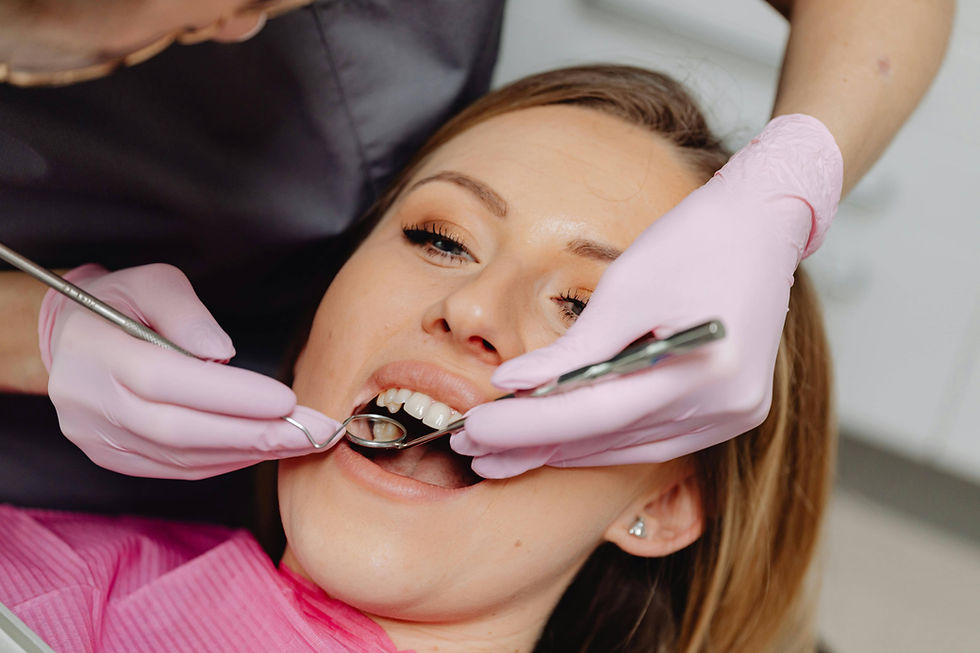
During your first visit, your dentist will examine your teeth, gums, bite alignment, and overall oral health. They will be taking X-rays or digital scans of your teeth to gain a clearer picture that can help guide treatment planning.
This initial appointment will give you the opportunity to discuss:
Your smile goals
Concerns about tooth shape, size, or color
Desired whiteness level
Budget considerations
Treatment expectations
When evaluating veneer providers in Aurora, you should also consider providers who take time to understand how your teeth, bite, gumline, and features work together. This aspect of planning helps create a result that looks natural rather than overly uniform.
You May Need Preliminary Dental Work
Before veneers can be placed, some patients need additional dental treatment. For example:
Cavities may need fillings
Gum disease may require treatment
Teeth grinding issues may need a nightguard
Whitening may be recommended beforehand
Healthy teeth and gums create a stronger foundation for long-lasting veneers.
Smile Design and Planning
Smile design allows you and your dentist to preview and refine your expected results before the final veneers are made. Depending on your case, your dentist may use:
Digital imaging
Wax models
Smile previews
Temporary mockups
This step helps you understand how your veneers may look and gives your dentist the opportunity to make adjustments before the final restorations are created.
During the Veneer Procedure
Many patients feel uneasy right before cosmetic dental treatment. However, most patients have found the entire process to be straightforward and well-tolerated.
Here’s what that process looks like:
Tooth Preparation
To create space for the veneers, your dentist removes a very thin layer of enamel from the front surface of the treated teeth. The amount removed is usually minimal and depends on your tooth structure, cosmetic goals, and the type of veneers being placed.
Because enamel reduction is conservative, most patients experience little discomfort. A local anesthetic may be used if needed.
Dental Impressions
After preparation, your dentist will take impressions or digital scans of your teeth. These impressions are sent to a dental laboratory where your custom veneers are created.
The laboratory carefully creates veneers based on:
Tooth size
Tooth shape
Alignment
Shade
Facial symmetry
Bite function
Temporary Veneers
While your final veneers are being made, temporary veneers may be placed. These protect your prepared teeth and give you a preview of your future smile.
Temporary veneers are not as strong as permanent veneers, so you will need to avoid very sticky, hard, or crunchy foods during this stage.
Final Veneer Placement
Once your custom veneers are ready, your dentist will check the:
Fit
Color match
Comfort
Bite alignment
Overall appearance
After any necessary adjustments are made, the veneers are bonded to your teeth using a strong dental adhesive and curing light. Your dentist will then polish and refine the veneers so they feel smooth and comfortable.
Does Getting Veneers Hurt?
Most patients find the veneer process more comfortable than expected. If at some point during the procedure, you feel discomfort, a local anesthetic can be used to keep you comfortable. Afterward, some mild sensitivity or tenderness is normal.
You may experience:
Mild sensitivity
Temporary soreness
Slight gum irritation
These symptoms usually fade within a few days. When porcelain dental veneers are planned and placed by an experienced cosmetic dentist, the process is generally predictable and manageable.
After Getting Dental Veneers
Recovery after veneer placement is usually simple, but it helps to know what to expect as your mouth adjusts.
The First Few Days
After placement, your veneers may feel slightly different. Your tongue, bite, and speech may need a short adjustment period as you get used to the new shape and texture of your teeth.
During the first few days after treatment, you might notice some mild tooth sensitivity, pressure when biting, slight speech changes, and minor gum tenderness. All of these are normal as your body adjusts to your new veneers and will most likely fade after several days.
Foods to Avoid Initially
For the first few days, try avoiding:
Very crunchy foods
Sticky candy
Ice chewing
Hard nuts
Excessively hot or cold drinks
Once your mouth adjusts, you can return to your normal diet.
How to Care for Your Veneers
Although veneers are durable, they still need consistent care. Good oral hygiene helps protect both the veneers and the natural teeth underneath.
Daily Care Tips
To keep your veneers looking their best:
Brush twice daily
Floss every day
Use non-abrasive toothpaste
Visit your dentist regularly
Wear a nightguard if you grind your teeth
Even though porcelain resists stains, your surrounding natural teeth can still discolor over time. Regular cleanings and good home care help maintain a consistent smile shade.
Habits That Can Damage Veneers
Veneers are strong, but they are not indestructible. Avoid using your teeth as tools, and try not to place unnecessary pressure on the edges of your veneers.
Avoid habits such as:
Grinding or clenching without a nightguard
Chewing ice
Biting pens
Opening packages with your teeth
Biting fingernails
Chewing very hard objects
Protecting your veneers from excess force can help extend their lifespan.
How Long Do Veneers Last?
One common question is whether veneers are permanent. The answer depends on what you mean by permanent.
Because a small amount of enamel is removed during preparation, veneer treatment is considered irreversible. However, the veneers themselves will not last forever. They may eventually need to be replaced after years of normal wear.
Most aurora porcelain veneers last:
10 to 15 years on average
Sometimes longer with excellent care
Routine dental visits allow your dentist to monitor your veneers, check your bite, and address small issues before they become larger problems.
Are Veneers Right for Everyone?
Veneers can be an excellent option for many patients, but they are not always the best solution. Your dentist will need to evaluate your oral health, enamel condition, bite, and cosmetic goals before recommending treatment.
You may not be an ideal candidate if you have:
Severe tooth decay
Active gum disease
Significant enamel loss
Heavy teeth grinding
Poor oral hygiene habits
In some cases, crowns, orthodontics, whitening, or bonding may be more appropriate. A consultation will help determine whether porcelain veneer treatment is the right choice for your needs.
Final Thoughts on Dental Veneers
Choosing veneers is a personal decision, and it should be made with careful thought. Your smile is one of the first things people notice, so the treatment should be planned around more than just a brighter shade. The right approach considers your facial features, tooth shape, gumline, bite, and long-term oral health so your veneers look natural, feel comfortable, and last as long as possible.
At Smile Aurora Dental, we take time to understand what you want to change about your smile and what kind of result will suit you best. Whether you are addressing one visible concern or planning a more complete smile enhancement, our team can help you move forward with confidence and create the lasting, picture-perfect smile you have been hoping for.
Schedule a consultation today to find out if dental veneers are right for you.
FAQs About Dental Veneers
How long does the veneer process take?
Most veneer treatments take two to three appointments over several weeks.
Can veneers stain?
Porcelain veneers resist staining better than natural teeth, but proper care is still important.
Are veneers permanent?
Because a small amount of enamel is removed, veneers are considered a permanent cosmetic treatment. The veneers themselves may need to be replaced over time.
Can you whiten veneers?
No. Veneers cannot be whitened after placement, which is why shade selection before treatment is important.
Do veneers look natural?
Yes. When designed properly, veneers can blend beautifully with your smile, facial features, and natural tooth color.
Are veneers expensive?
Costs vary depending on the number of veneers, the materials used, and the complexity of your case. Your dentist can provide a personalized estimate during your consultation.
Comments